
Diagnostics Rewired: From Tests To Lifelong Digital Twins
By Alessandro Marturano, Paolo Siciliano, and Alex Yon, PA Consulting
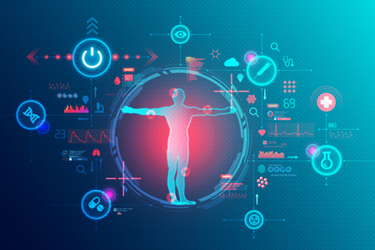
As liquid biopsies, wearables, multi-omics, and AI mature, diagnostics could become the operating system of healthcare: a continuously learning layer that turns everyday data into earlier action. However, despite its potential to support stronger health systems, diagnostics remains one of the most undervalued and underutilized links in the care journey. Across healthcare, diagnostic results inform roughly 70 percent of clinical decisions, yet only 3 to 5 percent of healthcare budgets fund diagnostics.
What is stopping greater use of diagnostics? First, new technologies and diagnostics tools have sometimes failed to chart a clear path to clinical decision-making and better patient outcomes. Second, diagnostic and health-related data are still very fragmented across care settings, technology platforms, and life stages, limiting their potential to lead to clear behavioral and clinical decisions. In a survey of 66 C-suite and executive decisionmakers across the U.K. healthcare system, at-home diagnostics emerged as the most promising digitally-powered prevention play over the next five to 10 years, cited by 70 percent of leaders.
So, what does the future of diagnostics look like and how can it enable a positive and permanent change in the way we approach healthcare and life? Imagine a human digital twin, a unifying data layer, a cradle-to-bedside thread that fuses biology, biomarkers, images, behavior, and context to guide decisions over a person’s lifetime. Anchor it early (e.g., genomics or proteomics) and reinterpret that same data as science advances. When new diseases or biomarkers are discovered, we can retrospectively surface risk and personalize prevention without retesting from scratch. As routine labs, imaging, and information from wearables and the environment stream in, the twin models trajectories and suggests next-best actions, turning diagnostics into a living operating system for care.
Digital Twins At The Heart Of Diagnostics
NASA’s engineers used the digital twin concept on the Apollo 13 mission to diagnose a failing spacecraft from 200,000 miles away. The same twinning concept – mirroring a complex system to test options before acting – is now entering medicine. Human biology is intricate, but emerging digital twins that fuse context, phenotypes, and systems biology are turning measurements into next‑best actions across a lifetime. There could be digital twins of a body system, body organ, body function, finer body component levels (cellular, subcellular), or an entire human body. Early examples of digital twins in cardiology, oncology, and neurology show the direction of travel, even if clinical adoption is still slow.
Digital twins demand multimodal data fusion and interoperability across electronic health records, imaging, wearables, and omics. These capabilities remain fragmented without shared standards, synchronized streams, and longitudinal data quality. So, what should happen now? How can we make this future a reality – and what does it look like?
Before Birth: Start Health Before Life Starts
Imagine complementary digital systems that blend pregnancy data from different sources – ultrasounds, noninvasive prenatal testing (NIPT), and maternal health records – to provide personalized risk assessments for the mother and create a digital twin for the unborn baby. In this paradigm, health issues during pregnancy for both mother and child are predicted and preempted.
Maternity complications and variable quality of maternity care drive profound human and financial cost. Infection and sepsis account for roughly 15 percent of pregnancy-related deaths in the U.S. Complications among pregnant patients with cardiovascular disease cost the U.S. healthcare system over $1 billion annually, with additional non‑medical costs after delivery such as lost work productivity
Regular use of better diagnostics tools during pregnancy can enable the earlier detection of complications for both mother and child. Rapid C‑reactive protein (CRP) and novel biomarkers (IL‑6 and sTLR2) can be layered into sepsis pathways for earlier escalation, while cardiovascular risks could be monitored by AI‑enhanced echo/ECG and sFlt‑1/PlGF ratios for preeclampsia, guiding lifesaving interventions.
Beyond the hospital walls, wireless monitors (such as Novii) and structured postpartum hypertension programs enable at‑home vigilance and reduce readmissions, allowing families peace of mind while supporting healthcare systems to deliver better, more cost-effective care.
From The Cradle: Make Day One The First Node In A Lifelong Twin
Imagine if genetic and genomic information, such as pathogenic variants or pharmacogenomic flags, and continuous physiological data could create a durable, reliable digital twin from birth to kickstart targeted monitoring, safer prescribing, and tailored interventions for decades.
Various severe childhood conditions are genetic yet treatable if detected early; newborn whole genome sequencing (WGS) begins a lifelong link between an individual and their holistic digital twin health profile. The near future will see whole‑genome newborn screening move from pilot to practice. England’s Generation Study is sequencing up to 100,000 newborns, surfacing over 200 treatable childhood‑onset conditions to accelerate diagnosis, improve therapy access, and provide evidence for national rollout. Additionally, optical genome mapping adds structural-variant resolution (insertions, inversions, complex rearrangements), often missed by exome tests but relevant to neurodevelopmental disorders.
The use of continuous monitoring devices to map physiological parameters adds invaluable depth and breadth to genomic information provided by perinatal WGS, supporting holistic digital twins. Soft, wireless neonatal sensors reduce skin damage, simplify care, and enable progress toward wireless neonatal intensive care units optimized for growth and family connection. Noninvasive sensors enable continuous gentle monitoring and mobility. Examples include the ANNE One system by Sibel Health, providing a continuous ambulatory vital signs monitoring, and the Owlet Smart Sock with oxygen level monitoring.
Children And Teens: Meet Digital Natives Where They Live
Imagine if a child’s health journey started much earlier, personalized through a virtual digital twin profile reflecting their unique health, lifestyle, and genetics. Young people would better understand how choices around diet, exercise, sleep, and mental well-being affect them. By capturing and visualizing diagnostic data on young patients over time, clinicians could make more informed decisions. At the same time, children and teens could become more engaged and curious about their own health, and healthcare systems could influence behaviors to improve population health.
Childhood and teenage years are deeply important for shaping lifelong health and well-being, so early engagement in health is vital for individual well-being and for building stronger, healthier societies. There are almost 2 billion adolescents globally, more than at any other time in history, marking new territory in health service demand. Children and young people are embracing technology in ways previous generations never could.
Today, small non-contact wireless devices can measure subtle changes in vital signs, using deep learning to generate data insights about breathing, heart rate, vitals, sleep, social interactions, and more. In mental health, smartphone‑based diagnostics detect autism spectrum disorder using facial and vocal cues, while computer vision tools flag ADHD. And AI triage is cutting waiting lists and reducing subjectivity.
Importantly, half of all mental health disorders in adulthood start by age 18, but most cases are undetected and untreated until much later in life. Reaching children and adolescents with less invasive, more convenient, and reliable diagnostics devices is essential for early detection and management.
Digital technologies are woven into young people’s daily lives, but behavior change is not automatic. Health systems can use privacy-safe data to shape population health, yet the crux is motivating patients/users to turn data and insight into action: the moments when health matters most are often the moments young people care about the least.
From Blood To Biopsy To Bytes: Early Detection In Midlife
Imagine that remote diagnostics are the new routine, with every measurement written back to a living digital twin: a longitudinal model that fuses at‑home tests (lipids, cancer biomarkers, fertility), passive sensing, and questionnaires with clinical history.
The twin doesn’t just store data; it simulates near‑term trajectories, runs what‑if scenarios for lifestyle or therapy changes, and recommends the next best action with explainable confidence. As multi‑omics, imaging, and wearables accrue, the digital twin evolves from descriptive tracking to decision support – co‑designing prevention that moves the risk curve rather than merely documenting it. From blood to biopsy to bytes, each data point sharpens an individualized model that learns alongside the human individual.
Middle age is a key period for health agency. The risk for conditions such as cancer and heart disease starts to rise, so regular screening and early diagnosis are crucial. Technology innovation provides people with more tools than ever to spot problems sooner and take action to stay healthy. Blood-based cancer screening is entering routine care, with the FDA approving Guardant Shield in 2024 as the first primary blood test for colorectal cancer in average risk adults. Maturing multi-cancer early detection tests like GRAIL’s Galleri and Exact Sciences Oncoguard Liver are reporting pivotal results.
While blood-based screening and testing for minimal residual disease (MRD) indicate risk, spatial multi-omics show where to act. High-resolution platforms, such as same-cell in-situ RNA/protein analysis like 10x Genomics’ Xenium Protein and single cell spatial imaging like CosMx, now quantify those niches directly on tissue biopsies. Emerging 3D genome architecture visualization further links spatial context to early cancer initiation.
In the cardiovascular space, early detection of cardiac conditions such as structural heart disease is critical to improving outcomes, but widespread screening may be limited by the cost and accessibility of advanced echocardiography (ultrasound) imaging tools. Machine learning models can detect structural heart disease from more accessible heart rhythm recordings, demonstrating high accuracy across large diverse health systems, care settings, and racial and/or ethnic groups.
Healthy Aging: Catch Decline At The Signal, Not The Symptom
Imagine having a lifetime’s worth of advanced diagnostic data, from genome analysis to physiological biomarkers, all available at a clinician’s fingertips. Common middle-age conditions have been caught early, and the focus for the patient has shifted from lifespan to health span.
Alzheimer’s disease (AD) is currently a leading cause of death globally, generating an estimated cost of £42 billion to the U.K. healthcare system alone in 2024, projected to hit £90 billion by 2040. The impact of AD is even higher in the U.S., with an estimated healthcare burden of $781 billion in 2025. Notable leaps have been made in early AD detection. Cerebrospinal fluid and blood biomarkers for amyloidβ and phosphorylated tau enable less-invasive, lower-cost testing, crucial for diagnosis, while companion diagnostics for specific therapies such as Lecanemab reduce cognitive decline.
Biomarker testing is displacing costlier imaging modalities, resulting in shortened waits and enabling earlier decisions. Approvals for blood biomarkers such as Lumipulse signal regulatory intent, catalyzing new therapeutics and better care planning. Meanwhile, digital tools such as smartwatch-derived digital biomarkers, gamified cognitive assessments, and AI-enabled wearables are extending monitoring and support into homes and care settings.
Delivering The Diagnostics-Driven Future
The power of diagnostics is to inform treatment, educate, and change behavior, so outcomes change. To reach that future, innovators should build twin-ready tests that write results back via open standards, proving utility in practice to assure payers with outcome‑linked evidence, not accuracy alone. But this cannot rest solely on innovators. Healthcare providers should pair governance – privacy, consent, bias – with pathway redesign so signals reliably trigger service rather than alarms. Pharma and biotech companies can use twins to enrich trials, co‑develop companion diagnostics, and model treatment trajectories in silico to shorten time‑to‑evidence. As data are integrated (EHR, imaging, wearables, omics), the digital twin stops being a record and becomes a predict-and-prognose engine: surfacing risk early, simulating trajectories, and triggering the next best action with evidence payers recognize. Underpinned by aligned standards, validation, and business models, diagnostics will move from episodic tests to continuous personalized care, becoming the living operating system for health from cradle to bedside.