
Extraction And Chemical Characterization Pitfalls In Complex Medical Devices
By Kimberly Ehman, Ph.D., DABT; and Leela Chapman, B.S., Eurofins Medical Device Services
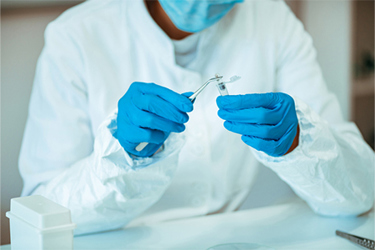
Standard extraction and biocompatibility workflows were not built with tissue-derived products, hydrogels, absorbables, or silicone implants in mind. Apply them without modification and the failures are predictable: cytotoxicity results that shift pH and osmolality rather than reflect clinical exposure, non-volatile residue (NVR) plateaus that cannot demonstrate exhaustion, and regulatory feedback demanding additional scientific justification you do not yet have.
Authors Kimberly Ehman, Ph.D., DABT, and Leela Chapman of Eurofins Medical Device Services walk through where each material class breaks the standard model and what to do instead. For tissue-derived products, extraction-based artifacts can deliver residual growth factors and extracellular matrix constituents at routes and concentrations that exaggerate acute systemic responses. For absorbables, gravimetric exhaustion endpoints may be unachievable, making analytical exhaustion strategies a more defensible path. Silicone implants generate thousands of chromatographic peaks and low analytical evaluation thresholds (AETs) that push the limits of standard instrumentation. Hydrogels require formation-aware extraction design, since certain solvents disrupt curing and inflate apparent monomer exposure.
The throughline is that chemistry and toxicology alignment has to happen before a study launches, not after results come back ambiguous. Access the full analysis to build an extraction strategy matched to your device's actual material behavior.
Get unlimited access to:




Enter your credentials below to log in. Not yet a member of Med Device Online? Subscribe today.