
FDA Approves Dexcom's Pediatric CGM System
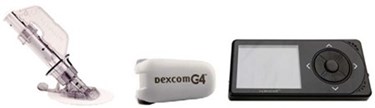
This is a brief overview of information related to FDA's approval to market this product. See the links below to the Summary of Safety and Effectiveness Data (SSED) and product labeling for more complete information on this product, its indications for use, and the basis for FDA's approval.
Product Name: Dexcom G4 PLATINUM (Pediatric) Continuous Glucose Monitoring System
PMA Applicant: Dexcom, Inc.
Address: 6340 Sequence Drive, San Diego, CA 92121
Approval Date: May 22, 2015
Approval Letter: http://www.accessdata.fda.gov/cdrh_docs/pdf12/P120005S031a.pdf
What is it?
The Dexcom G4 PLATINUM (Pediatric) Continuous Glucose Monitoring System (Pediatric CGM System) is an externally-worn glucose sensor that continuously measures and displays glucose values. In addition to reporting glucose values every 5 minutes, the system reports trending information in real-time for up to seven days (the life of each sensor).
This supplement updates the software in the pediatric version that calculates the glucose values from the sensor signal. The updated software has improved the accuracy of the system, primarily for glucose values less than or equal to 70 mg/dL. This allowed for the removal of performance warnings from the device receiver and labeling.
How does it work?
The Pediatric CGM System includes several components: a sensor, transmitter and receiver. The glucose sensor contains a wire that is inserted under the skin on the abdomen or upper buttock and measures glucose values in the fluid around the cells (interstitial fluid). The glucose values are sent through the transmitter to the hand-held receiver, where they are displayed for the user.
When is it used?
The Pediatric CGM System is a glucose monitoring device used for detecting trends and tracking patterns in children 2-17 years old with diabetes. The System is intended for single patient use and requires a prescription.
The Pediatric CGM System aids in the detection of episodes of high blood glucose (hyperglycemia) and low blood glucose (hypoglycemia), helping with both short-term and long-term therapy adjustments, which may minimize these highs and lows in blood glucose. Interpreting the Pediatric CGM System results should be based on the trends and patterns seen with several consecutive readings over time.
The Pediatric CGM System does not replace the information obtained from a standard home blood glucose meter but rather, it is used to complement the information obtained from the blood glucose meter.
What will it accomplish?
Children ages 2-17 with diabetes and their caregivers can use the tracking and trending glucose information to help them understand patterns in their glucose values, and be alerted when glucose values are approaching potentially dangerous hyperglycemic and/or hypoglycemic levels. When used along with a blood glucose meter to obtain a more accurate reading of actual blood glucose levels, the Pediatric CGM System can also help children with diabetes and their caregivers make long-term adjustments to their treatment plan to keep blood glucose levels in a safe range.
When should it not be used?
The Pediatric CGM System sensor, transmitter, and receiver should be removed before Magnetic Resonance Imaging (MRI), Computed Tomography (CT) scan, or diathermy treatment. The Pediatric CGM System has not been tested during MRI or CT scans or with diathermy treatment. The magnetic fields and heat could damage the device so that it might not display sensor glucose readings or provide alerts, and a low or high glucose value may be missed.
Taking medicines with acetaminophen (such as Tylenol) while wearing the sensor may falsely raise a child's sensor glucose readings. The level of inaccuracy depends on the amount of acetaminophen active in a child's body and may be different for each child.
Source: FDA