
Mitigating Intricacies And Challenges Of Container Closure Integrity Inspection Of Cryostorage Bags
By Tyler Harris, Senior Scientific Advisor, Eurofins Medical Device Services
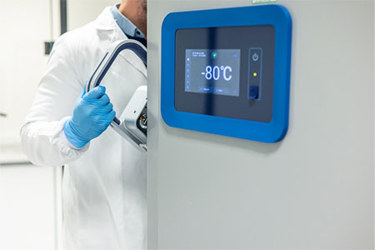
Cryostorage bags are critical for preserving biologics and cellular therapies, yet their reliance on fusion-sealed seams and ports creates inherent vulnerabilities. When these containers are exposed to liquid nitrogen temperatures as low as -196°C, many materials reach their glass transition point, becoming brittle and prone to micro-cracks or weld failures. These defects—often invisible to the human eye—risk microbial ingress and loss of product potency.
Conventional inspection methods often falter in these extreme environments. Large molecules can clog defect sites, while frost and condensate interfere with vacuum and high-voltage leak detection. A scientifically defensible strategy involves a lifecycle-based approach, utilizing small-molecule surrogate formulations paired with deterministic vacuum decay testing. By integrating these rigorous methods with distribution cycle studies, manufacturers can identify failure modes induced by the supply chain, ensuring product safety from fill-finish to the point of care.
Get unlimited access to:




Enter your credentials below to log in. Not yet a member of Med Device Online? Subscribe today.