
Semi-Autonomous Neurostimulation: Using EMG To Extend Stroke Rehabilitation Beyond The Clinic
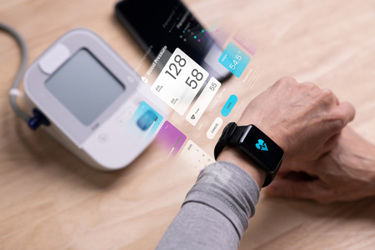
Stroke rehabilitation has proven benefits, but many of the most effective therapies remain confined to the clinic, limited by staffing demands and the need for precise, moment‑to‑moment clinician involvement. Vagus nerve stimulation paired with movement attempts is one such example: powerful in accelerating motor recovery, yet dependent on a therapist manually triggering stimulation at exactly the right time. That reliance on human timing has kept the therapy expensive, access‑limited, and difficult to sustain outside supervised settings.
Semi‑autonomous neurostimulation offers a different model. By using wearable EMG sensors to detect a patient’s intent to move — even when visible motion is minimal — stimulation can be delivered automatically, aligned to effort rather than observation. This approach preserves the timing precision required for neuroplastic change while opening the door to continuous, home‑based therapy embedded in daily life.
Extending rehabilitation beyond the clinic is not about convenience alone; it is about continuity. Sustained, effort‑paired stimulation during everyday activities has the potential to transform recovery from a scheduled intervention into an ongoing process, giving patients greater control over their progress and expanding what long‑term neurorehabilitation can achieve. Explore how semi‑autonomous systems are bringing clinic‑grade precision into the home.
Get unlimited access to:




Enter your credentials below to log in. Not yet a member of Med Device Online? Subscribe today.